


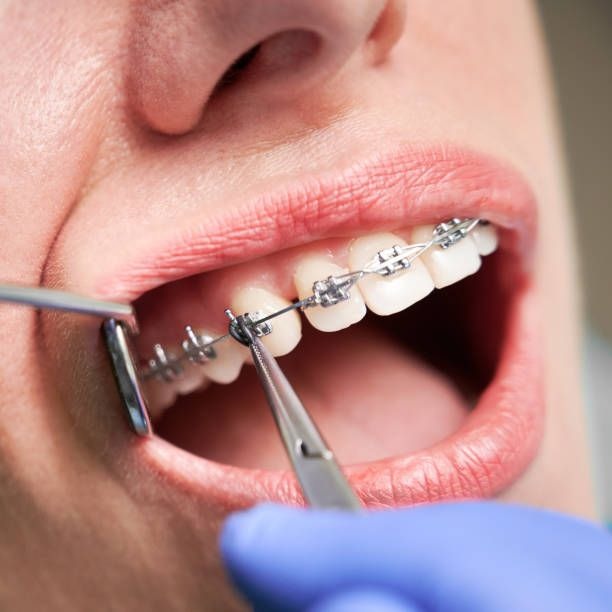
Early orthodontic care really shapes how kids' teeth and jaws grow. A lot of bite or alignment problems actually start while everything’s still developing, and if you catch them early, dealing with them gets a lot easier. Dentists are usually the first to notice these red flags during regular checkups, so referring a child to an orthodontist at the right moment can make a big difference.
At your standard dental visit, the dentist isn’t just looking for cavities. They’re paying attention to how permanent teeth are coming in, whether there’s enough room, and how the top and bottom teeth fit together when the child bites down. If anything looks off, they’ll recommend seeing an orthodontist. Getting a specialist involved early means the issue gets the attention it needs before it gets out of hand.
Why does early orthodontic care matter so much?
When kids are young, their jawbones are more adaptable. Start treatment then, and you can actually guide jaw growth and tooth alignment instead of just reacting later. Sorting these problems out early on helps prevent them from turning into something complicated down the line—and usually makes any future treatment go faster.
Fixing bite issues like crossbites or teeth that stick out can help with chewing and speaking, too. Kids avoid a lot of hassle—chewing trouble, jaw pain, even difficulty with speech—if you tackle these things right away. Plus, you’re supporting healthy facial growth and, honestly, just making things easier for them in the long run.
When’s the right time to think about orthodontics?
Most experts suggest an initial orthodontic evaluation around age seven. By this age, kids have a mix of baby and permanent teeth, so orthodontists can get a good sense of jaw growth and see how those new teeth are lining up. Even if everything looks normal, it’s smart to let a specialist check things out. Sometimes regular monitoring is all that’s needed—but it’s peace of mind.
There are some warning signs that mean a dentist will send a child to an orthodontist sooner. Stuff like crowded teeth, big gaps, teeth that really stand out, or serious bite issues—like an underbite or deep overbite. Problems like these mess with appearance and the way the mouth works, and if you don’t handle them early, they usually get worse. Other things—like trouble chewing, thumb sucking, mouth breathing, or losing baby teeth much earlier or later than usual—can also signal the need for a referral.
Dentists play a big part in catching these problems early.
When they examine a child’s teeth, they’re looking at way more than just cavities. They’re watching how the jaws move, whether the teeth are lining up, and if everything’s developing like it should. Since kids see the dentist regularly, it’s easy to spot changes as they happen. When there’s a concern, the dentist can quickly get an orthodontist involved. This kind of teamwork means kids get the care they need, when they need it.
When it comes to actual treatment, early detection opens the door to what’s called interceptive orthodontics. The orthodontist might use things like space maintainers, expanders, or partial braces to guide jaw growth and create enough space for adult teeth. Usually, this happens between ages seven and ten. The goal isn’t necessarily to get perfectly straight teeth right away, but to set up the right conditions for healthy growth and easier treatment later.
Referring a child at the right time has some big upsides.
Specialists can catch subtle issues before they get worse, and early action can prevent complex—and sometimes expensive—problems in the future. It also allows orthodontists to pick the best timing, so treatments can start when they’ll do the most good.
When you deal with orthodontic problems early, treatment tends to be simpler and more comfortable. Sometimes, you can avoid extractions or invasive procedures entirely. Kids end up with better dental and facial health, and a much smoother orthodontic experience overall.
Conclusion
Early orthodontic intervention matters. Dentists are the ones who spot the signs first, and by acting quickly—referring patients for specialist care—they make sure treatment starts at just the right time. An orthodontic checkup around age seven sets the stage for early action if it’s needed, and even if not, ongoing monitoring helps keep things on track. When dentists and orthodontists work together, kids have the best chance for strong, healthy smiles that last.