

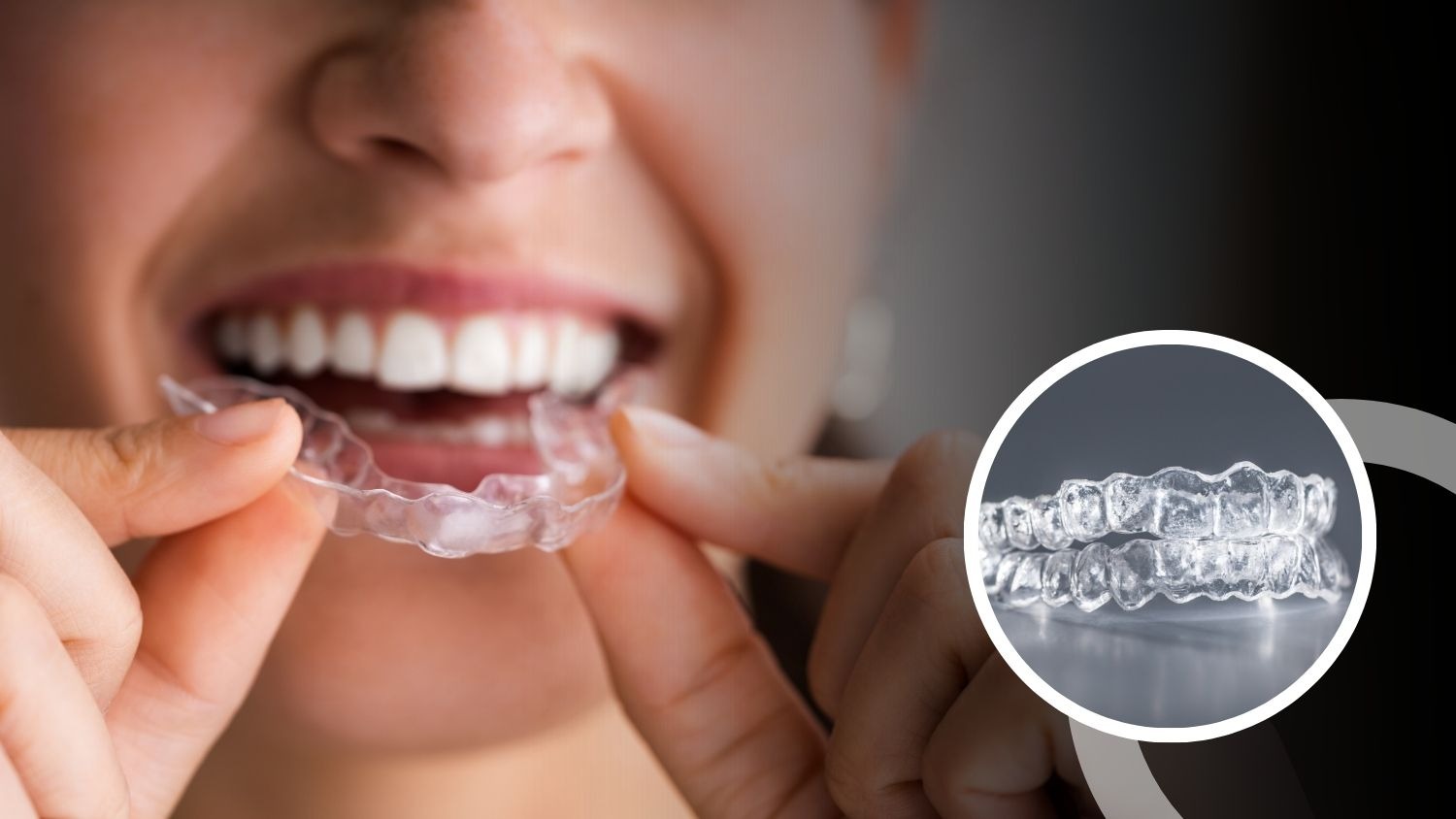
Orthodontics has changed a lot with the rise of digital dentistry and patient demand for more attractive treatment options. One of the most talked-about innovations in recent years is Invisalign, created by Align Technology.
While patients often see Invisalign as a clear option to braces, dentists and orthodontists look at it from a clinical viewpoint. They consider biomechanics, case selection, and long-term treatment results.
What Makes Invisalign Different?
Unlike traditional braces that use brackets and wires, Invisalign treatment uses a series of custom-made clear aligners. Each aligner is designed to gradually move teeth in small, controlled steps.
The treatment process usually includes:
- Digital scanning instead of traditional impressions
- 3D treatment planning that shows tooth movement
- Custom aligners that are changed every 1 to 2 weeks
- Periodic monitoring by the dentist or orthodontist
This digital workflow lets doctors see the final alignment before treatment begins. However, clinicians understand that actual tooth movement does not always match the simulation perfectly.
The Importance of Case Selection
From a dentist’s point of view, selecting the right cases is one of the most crucial aspects of aligner therapy. Invisalign can work well for many orthodontic conditions, but it isn't always the best choice for every patient.
Aligners are often used for:
- Mild to moderate crowding
- Spacing issues
- Orthodontic relapse cases
- Minor bite corrections
However, serious skeletal issues, complex rotations, or significant vertical differences may still need traditional orthodontic devices or a mix of treatments.
The Role of Attachments and Biomechanics
Many patients think aligners just slide teeth into place. In reality, the biomechanics behind aligner therapy are more complicated.
Dentists often place small composite attachments on specific teeth. These tooth-colored shapes act like anchors that help aligners grip the tooth and apply more exact forces.
Other clinical techniques may include:
- Interproximal reduction (IPR) to create small spaces between teeth
- Refinement aligners if teeth do not track as planned
- Regular monitoring to ensure the treatment is on track
Patient Compliance: A Key Factor
Unlike braces, aligners are removable. While this enhances comfort and oral hygiene, it also presents a major challenge—patient compliance.
For effective results, patients are typically advised to wear aligners for 20 to 22 hours a day. If aligners are removed too often or not worn consistently, tooth movement can slow down or become unpredictable.
This is why dentists stress the importance of patient education and follow-up visits during treatment.
A Blend of Technology and Clinical Judgment
The rise of digital tools, like intraoral scanners and treatment simulation software, has made Invisalign a key part of modern orthodontics. However, experienced clinicians know that technology alone does not ensure success.
Successful treatment relies on:
- Accurate diagnosis
- Careful treatment planning
- Understanding orthodontic biomechanics
- Active patient cooperation